Table of Contents

Kitchen Exhaust Fan
A good kitchen exhaust system does more than just clear smoke. It removes grease, cooking odors, excess heat, and airborne particles that can affect air quality and leave sticky residue on cabinets and walls. Whether you cook simple meals or prepare heavy, oil-rich dishes, the right exhaust fan or range hood makes a noticeable difference in comfort and cleanliness.
If you want to read about exhaust fans in detail, then you can visit our [Best Exhaust Fans Buying Guide], and if you want to know different types of exhaust fan you can check our [Types of Exhaust Fans], or if you’re going to know about each fan, then you can visit our [The Ultimate Guide to Fans].
Why Proper Kitchen Ventilation Matters
Cooking releases steam, grease particles, and odors. Without effective ventilation, these linger in the air, settle on surfaces, and can make the kitchen feel stuffy. Gas stoves also produce moisture and combustion byproducts that benefit from proper exhaust. A well-chosen system keeps the kitchen fresher, reduces cleaning time, and improves overall comfort
Types of Exhaust Fans for Kitchen
Cooking releases steam, grease particles, and odors. Without effective ventilation, these linger in the air, settle on surfaces, and can make the kitchen feel stuffy. Gas stoves also produce moisture and combustion byproducts that benefit from proper exhaust. A well-chosen system keeps the kitchen fresher, reduces cleaning time, and improves overall comfort
1. Range Hoods (Kitchen Chimneys)

Range hoods are the most effective option for most modern kitchens. They fit directly above the cooktop and pull smoke and grease upward before they spread.
Wall-Mount Range Hoods
- These attach to the wall above the stove and usually feature a visible chimney that runs up to the ceiling. They look stylish and work well in open or closed kitchens. Many come in stainless steel and offer strong suction.
Under-Cabinet Range Hoods
- These fit neatly under existing kitchen cabinets. They save space and create a clean, built-in look. Under-cabinet models are popular in standard modular kitchens because they are relatively easy to install.
Island Range Hoods
- Designed for cooktops placed on a kitchen island, these hang from the ceiling. They need careful planning for ductwork and stronger motors because they capture fumes from all sides.
Insert or Liner Hoods
- These are the working parts of a hood that get hidden inside custom cabinetry or a decorative cover. They give a seamless, high-end appearance while still delivering solid performance.
2. Ducted vs Ductless Systems
Almost every range hood falls into one of these two categories.
Ducted Exhaust Fans
These push air outside the house through ducts. They remove grease, moisture, and odors most effectively. Whenever possible, choose a ducted system for better long-term results.
Ductless (Recirculating) Exhaust Fans
These filter the air with charcoal or grease filters and return it to the kitchen. They are useful when external ducting is not possible, such as in apartments or rental homes. However, they are less effective at removing moisture and strong odors.
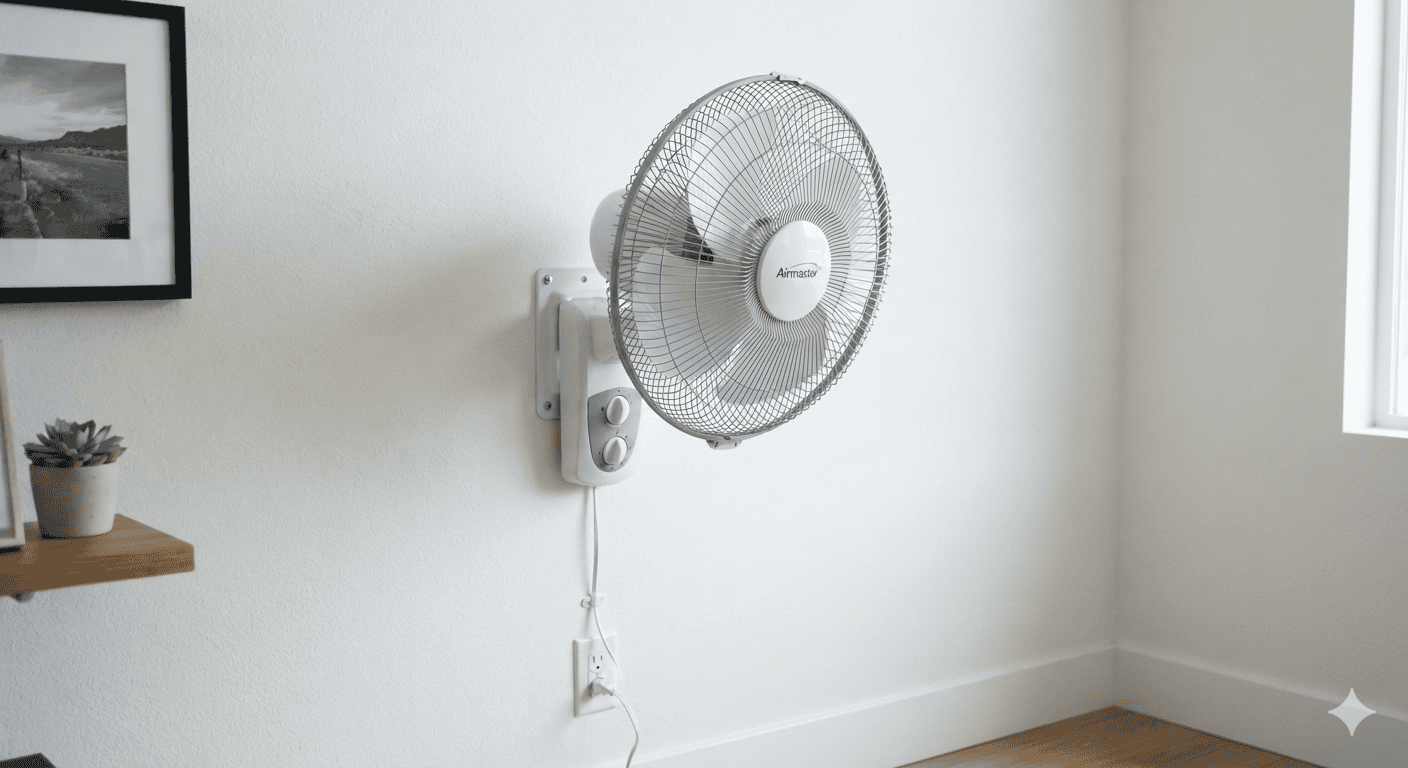
3. Basic Wall or Window Exhaust Fans
These are simple circular or square fans installed on an exterior wall or in a window. They move air out of the room but do not sit directly over the stove.
Wall exhaust fans are affordable and easy to install. They work well as extra ventilation or in smaller kitchens where a full range hood cannot fit. Popular options include models from reliable brands that offer good airflow and rust-resistant bodies. Keep in mind that they capture fumes less efficiently than a proper range hood.
4. Downdraft Exhaust Systems
Instead of pulling air upward, downdraft systems rise from behind or beside the cooktop and draw fumes downward. When not in use, they can retract into the countertop.
These are useful for island cooktops where a hanging hood would block the view. They generally need more powerful motors and careful duct design to perform well.
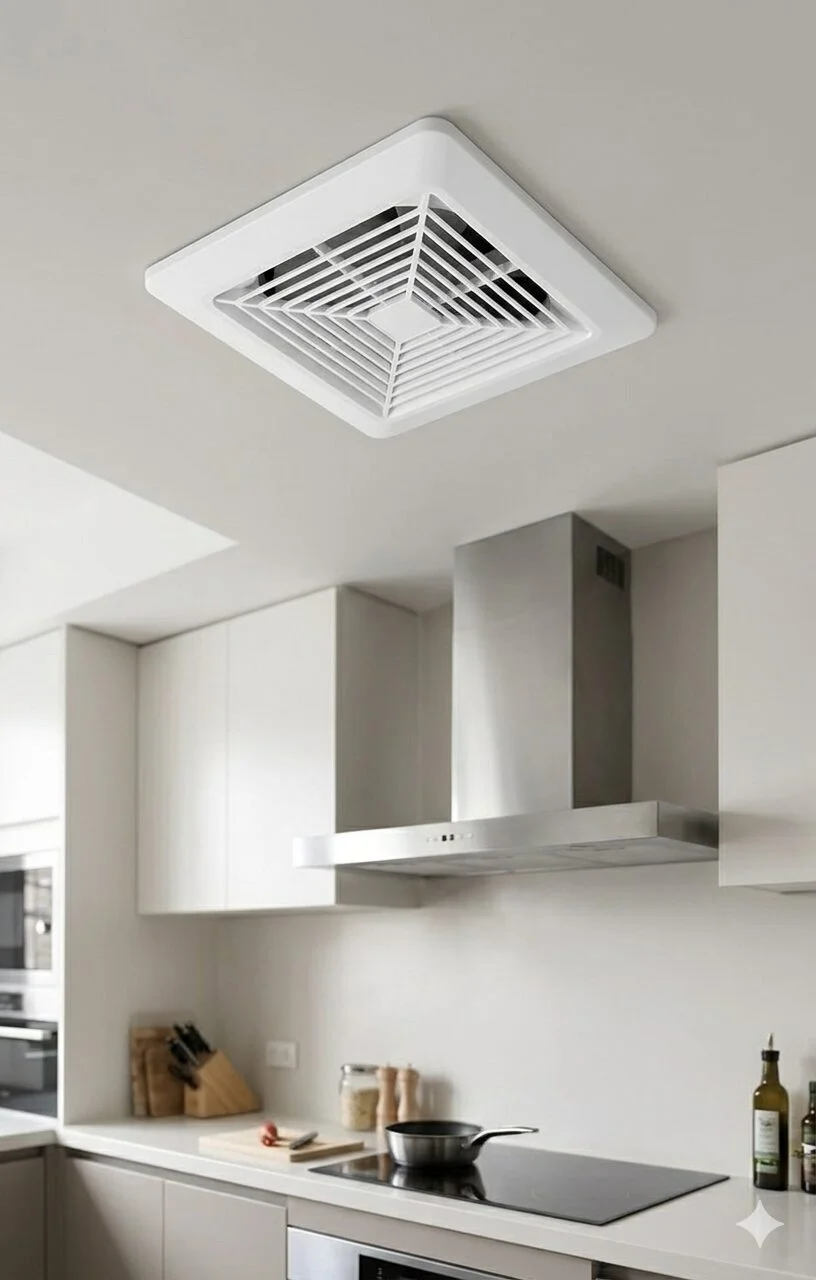
5. Ceiling or Inline Exhaust Fans
Some kitchens use ceiling-mounted fans or remote (inline) fans placed in the ductwork away from the cooktop. These keep the kitchen quieter because the motor sits elsewhere. They are more common in larger or custom kitchens.

Key Factors When Choosing a Kitchen Exhaust Fan or Hoods
Suction Power (CFM or m³/hr): Aim for at least 300–600 CFM (roughly 800–1500 m³/hr) for average use. Higher power helps with frequent frying or gas cooking.
Noise Level: Quieter models (lower sones or BLDC motors) are more likely to be used regularly.
Size: Match or slightly exceed the width of your cooktop (common sizes are 30″/36″ or 60/90 cm).
Filters: Baffle filters are easier to clean than mesh filters. Auto-clean systems with oil collectors reduce maintenance.
Features: Multiple speed settings, LED lighting, touch or gesture controls, and a solid motor warranty add value.Installation: Consider whether ductwork is possible and whether you need professional installation.
Top Recommendations for 2026
1. Best Overall Under-Cabinet Hood
Hauslane Chef Series UC-PS18 (30" or 36")
This model consistently ranks highly in expert testing. It offers dual motors, around 500 CFM, six speed settings, flexible venting options, and adjustable LED lights. It balances strong performance with practical features.
2. Best Value Wall-Mount Hood
Cosmo 30-inch models
These deliver solid airflow, modern stainless-steel design, and reliable everyday performance at a reasonable price. They are frequently recommended for homeowners seeking good results without overspending.
3. Premium Choice
ZLINE Range Hoods
Known for strong build quality, powerful performance, and long-term reliability. Many models include a lifetime motor warranty, making them a solid long-term investment.
Strong Options for Every-Cooking Style
For kitchens with frequent frying and spice-heavy cooking, look for high-suction auto-clean chimneys (typically 1200–1500 m³/hr) with BLDC motors. Popular and well-regarded brands include Elica, Faber, Hindware, Glen, and Wonderchef’s Ultima series. These often include motion sensors and oil collection systems that simplify maintenance.
Simple Wall Exhaust Fans
If a full range hood is not practical, reliable wall or window exhaust fans from brands such as Crompton and Havells offer good performance for general kitchen ventilation. Choose models with strong airflow, rust-resistant construction, and a solid warranty.
Installation and Maintenance Tips
Install ducted systems carefully so the duct runs are as short and straight as possible for best performance.
Position the hood at the recommended height above the cooktop (usually 24–30 inches, or as specified by the manufacturer).
Run the fan a few minutes before cooking and leave it on for several minutes afterward.
Clean or replace filters regularly. Auto-clean models still need periodic emptying of the oil collector.
For best results, pair the exhaust system with good overall kitchen airflow (for example, opening a window when possible).
Final Thoughts
The best kitchen exhaust system depends on your cooking style, kitchen layout, and whether ducting is possible. A quality range hood remains the most effective solution for most homes. Models like the Hauslane UC-PS18, Cosmo wall-mount options, and strong auto-clean chimneys for heavier cooking deliver reliable performance in 2026.