Table of Contents
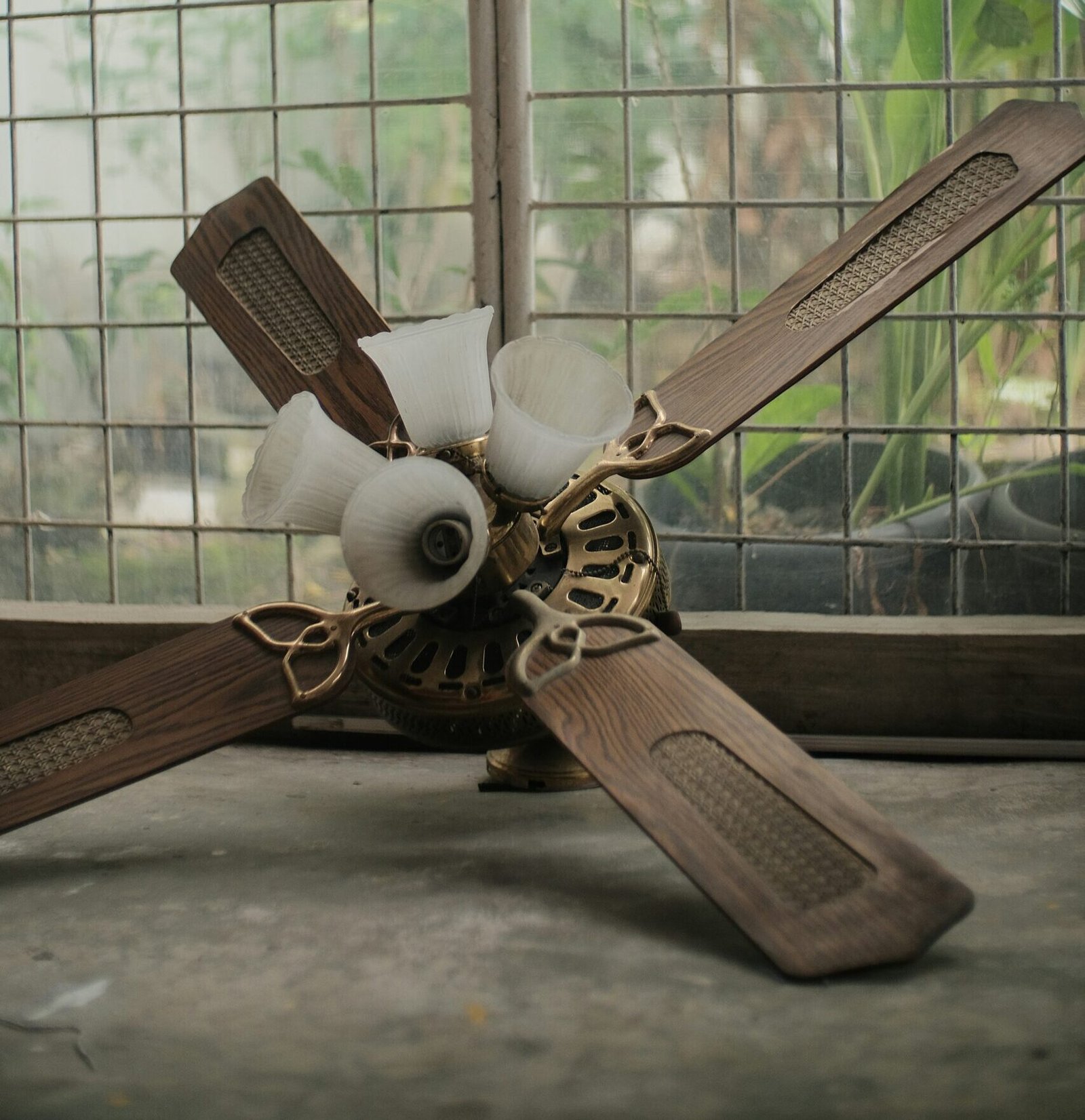
Residential Ceiling fan
As soon as summer arrives, a familiar scene plays out at home: the AC is running at full blast, yet the room still feels stuffy, and the sight of the electricity bill is enough to make your heart sink. Many people equate cooling solely with air conditioning, but the real secret lies in something simple—the residential ceiling fan.
This isn’t just an ordinary fan. The right ceiling fan instantly refreshes the room, keeps your body naturally cool, and significantly reduces the load on your AC. In short: lower electricity consumption, greater comfort, and improved air circulation throughout the house.
In this detailed article, you will learn:
- How a ceiling fan actually works
- How to choose the perfect size and style for your room
- Practical tips covering everything from installation to maintenance
- What’s new in today’s smart and energy-efficient fans
Let’s get started and see how a high-quality residential ceiling fan can take your home’s cooling to the next level.
If you want to read about a ceiling fan, then you can know this: [Best Ceiling Fan 2025], or if you want to know or buy a ceiling fan, you can see our [Top Ceiling Fan Models Worldwide: A Breakdown of Popular Designs].
A. What is a Residential Ceiling Fan?
A Residential ceiling fan is installed on the ceiling in the bedroom, living room, study, and dining room. Its purpose is to circulate the air in the room so that the house feels fresh and comfortable.
This is different from other fans like a table fan or factory industrial fans.
Fan at Home:
- Makes less noise
- Consumes less electricity
- Matches the look of the room
- Comes with home features like a remote, a light, and an energy-saving motor
Simple thing: it doesn’t cool the room. This air movement makes the body feel naturally cool. Therefore, in today’s homes, it is not just a summer item; it is a daily comfort appliance.
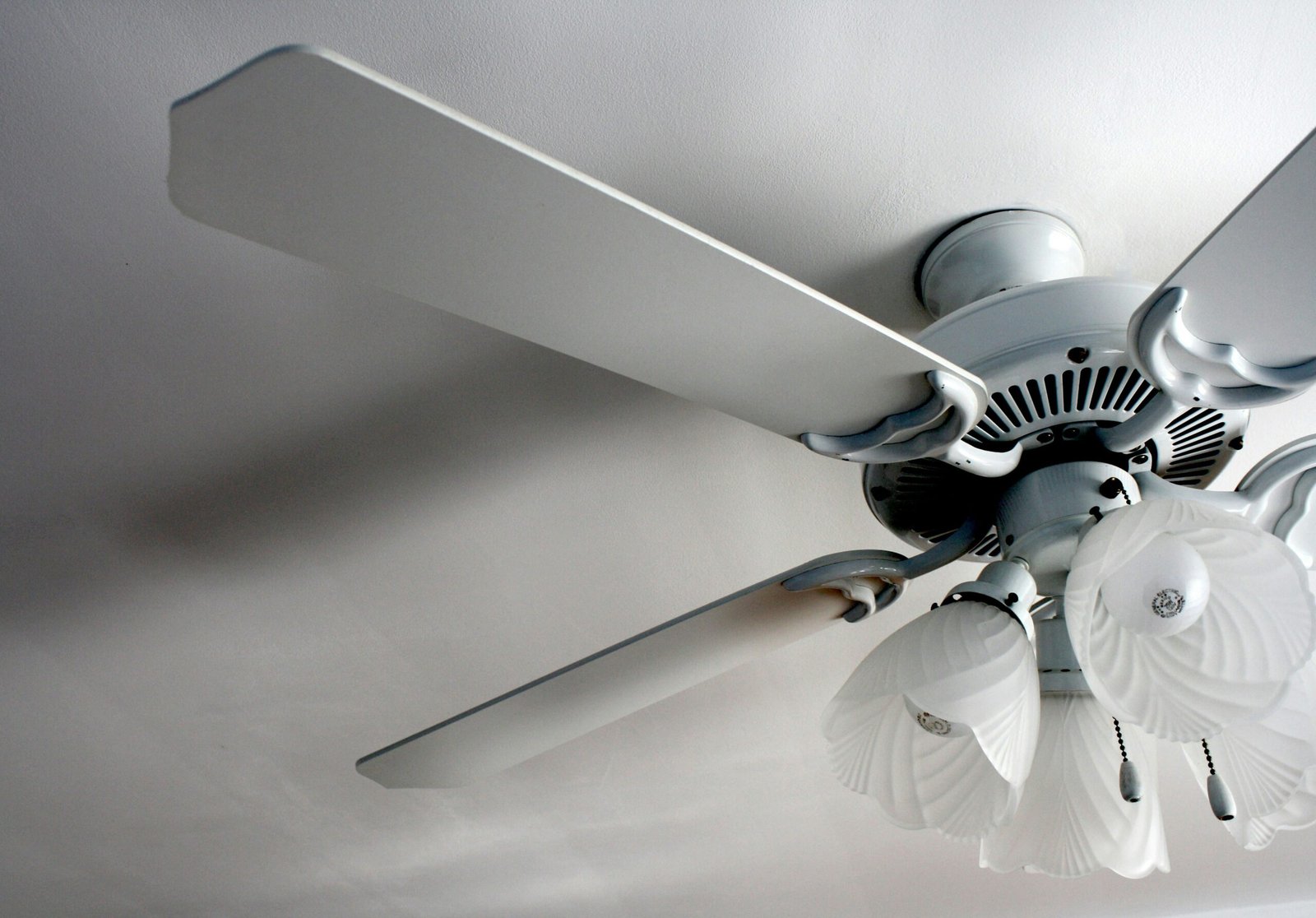
B. How Does a Ceiling Fan Work?
A ceiling fan doesn’t directly lower the room’s temperature; instead, it circulates the air. When a breeze hits your skin, your body naturally feels cooler — an effect known as “wind chill.”
That is why running a fan makes the room feel comfortable, even if the AC is off or set to a higher temperature.
Its performance depends on three key factors:
1. Blades
- The blades are mounted at a specific angle (pitch). As they spin, they push air either downward or upward. A larger “sweep size” provides wider coverage. Simply having “more blades” doesn’t guarantee better airflow; design, pitch, and the motor matter more.
2. Motor
The motor drives the rotation of the blades.
Older AC/induction motors consume more power (around 70–80W).
Newer BLDC motors deliver the same or better airflow while consuming less power (around 28–35W) and often operate silently.
3. Direction
Summer mode: Air is pushed directly downward, making the body feel cool.
Winter mode: Reverse direction. Warm air that collects near the ceiling is slowly circulated downward.
What is air delivery?
You will see CFM or CMM ratings on the box. These indicate the volume of air the fan moves in one minute. A fan with higher airflow is needed for a large room. In a small room, an overly powerful fan can create unnecessary drafts and excessive noise.
Pro tip: Fans cool people, not empty rooms. Turn off the fan when the room is unoccupied. When the room is unoccupied.
C. Types of Residential Ceiling Fans
Not all ceiling fans are the same. Choosing the right type enhances comfort, safety, and aesthetics.
1. Based on mounting style
Flush / Hugger fan: Sits close to the ceiling; best for apartments with low ceilings.
Down rod fan: Suspended by a rod; provides better airflow for ceilings 9 feet high or taller.
2. Based on features
Standard fan — speed controlled via wall regulator
light kit — fan + LED light combined
Remote-controlled — operated from the sofa or bed
Reversible motor — downward airflow in summer, reverse direction in winter
Smart fan — controlled via app or voice commands (on/off, speed, timer)
3. Based on motor type
Standard induction fan: Affordable, but consumes more electricity (approx. 70–80W)
BLDC fan: Slightly more expensive, low wattage (approx. 28–35W), usually silent, and runs longer on an inverter
4. Based on aesthetics
Traditional classic
Slim modern
Decorative / Designer
Simple designs suitable for kids’ rooms
Which one for which room?
Bedroom: Silent BLDC + remote
Living room: Stylish light-fan combo
Low-ceiling hall: Hugger fan
Large hall: Large sweep fan, or two fans
Quick takeaway: Consider ceiling height and room size first, then features. Choose the design last.
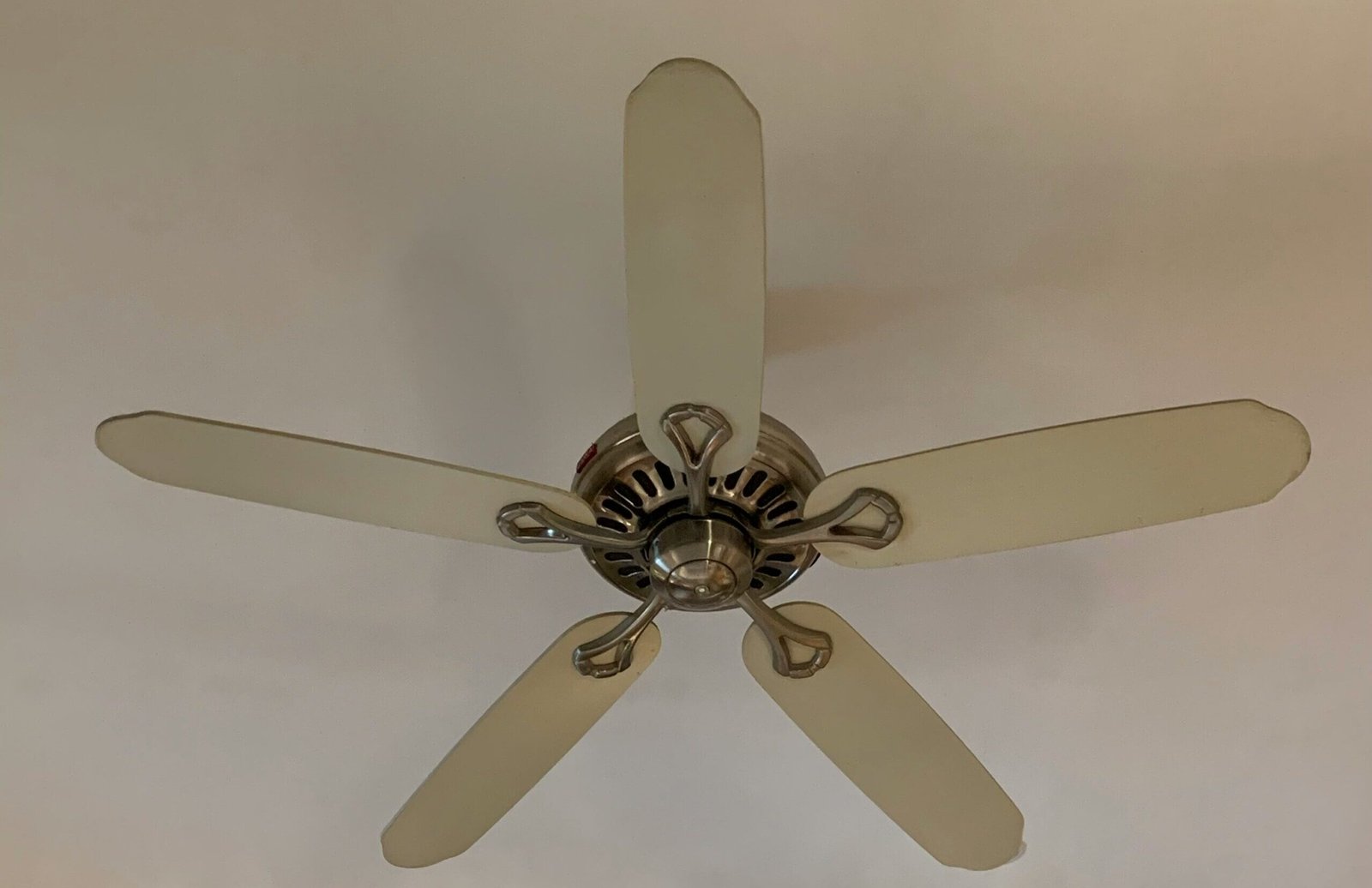
D. Real Benefits of Ceiling Fans at Home
A residential ceiling fan is not just a summer appliance; in everyday home life, it offers benefits regarding comfort, electricity bills, and the overall feel of the room.
1. Makes the room more comfortable
- The fan circulates air, preventing a closed room from feeling stuffy or stifling. It provides a natural cooling sensation to the body.
2. Helps save on electricity bills
- While a fan doesn’t replace an air conditioner (AC), it can reduce the AC’s workload. Running a fan while the AC is set to a slightly higher temperature in an occupied room ensures comfort while saving electricity units.
- Replacing an old 70–80W fan with a 28–35W BLDC model leads to clearly visible savings in daily use. The difference becomes even more significant if there are 3–4 fans in the house.
3. Inverter / power-cut friendly
- A low-wattage fan doesn’t drain the battery quickly, ensuring airflow continues even during power outages.
4. Upgrades the room's look
- A well-designed fan can serve as the centrepiece of a room. If it includes a light kit, the need for additional lamps is reduced.
5. Useful in winter too
- Using the reverse function at low speed pushes warm air from the ceiling down into the room. This is especially useful in rooms with high ceilings.
E. How to Choose the Right Ceiling Fan?
Choosing the right fan isn’t difficult; just check these 5 things:
1. Consider room size
Length × breadth = square feet.
Small room/study: 900 mm (36″)
Standard bedroom: 1200 mm (42–48″)
Large bedroom/living room: 1400 mm
Large hall: 1500 mm, or 2 fans
A large fan in a small room can create excess noise. A small fan in a large room will feel inadequate.
2. Check ceiling height
8 feet or less: Flush mount/hugger fan
9 feet or more: Downrod fan
Safety: Blades should be well above floor level.
3. Check airflow + motor
Check the CMM / CFM / air delivery rating on the box. Don’t just look at the number of blades (e.g., “5 blades”).
BLDC fans are better for rooms where the fan runs for 8+ hours daily. They consume roughly 28–35W, whereas older fans use 70–80W.
4. Check BEE star rating
Some fans come with a star rating label. A 4-star or 5-star rating means good airflow with lower electricity consumption.
These are worth it for bedrooms and living rooms. A mid-range model works fine for guest rooms.
5. Features vs budget
Worth it: Remote control, silent motor, warranty, reversible mode, LED light (if desired).
Optional: App/voice control, extra fancy lights.
F. Basic Installation Points
Installing a ceiling fan involves more than just hanging it on a hook. Improper installation can cause wobbling, noise, or safety hazards. Understand the basics first.
Confirm these 4 things:
The ceiling hook or box can support the fan’s weight; do not install a heavy fan on a standard light fixture box.
The wiring is not old or damaged by overheating.
The blades remain clear of the walls.
The power supply is completely off during installation.
DIY or Electrician?
If you are simply replacing a fan on an existing, sturdy hook and have an experienced adult at home to help, the task can be straightforward. However, if the job involves new wiring, a false ceiling, a weak roof, or a sloped ceiling, it is best to hire a licensed electrician.
Children or inexperienced individuals should not attempt electrical connections.
Check the following after installation:
- The fan is not wobbling.
- The blades are evenly tightened.
- The light is not flickering.
- The remote or regulator is working correctly.
- The blades are at a safe height from the floor.
Common mistakes:
- Loose screws → wobbling and noise.
- Incorrect downrod length → poor airflow or insufficient safety clearance.
- Weak ceiling support → unsafe installation.
- Pro tip: Re-check the blade screws the day after installation. New fittings can sometimes loosen slightly due to vibration.
G. Everyday Care & Longevity Tips
A good residential ceiling fan can last for years with a little regular care.
Simple cleaning method
- First, switch it off and let the blades come to a complete stop.
- Wipe dust from the top and bottom of the blades with a soft cloth.
- Excess dust on a blade can cause the fan to wobble.
- Do not let water get into the motor.
- Clean the light cover as well, since insects tend to collect inside it.
Check these things every 3–6 months.
- Are the blade screws tight?
- Is there any unusual noise?
- Is the remote battery running low?
- Is the direction set correctly for summer or winter?
What to avoid
- Pouring random oil into the motor (modern fans are often sealed units).
- Scrubbing the blades with harsh chemicals.
- Running a wobbly fan at high speed daily.an at high speed daily.
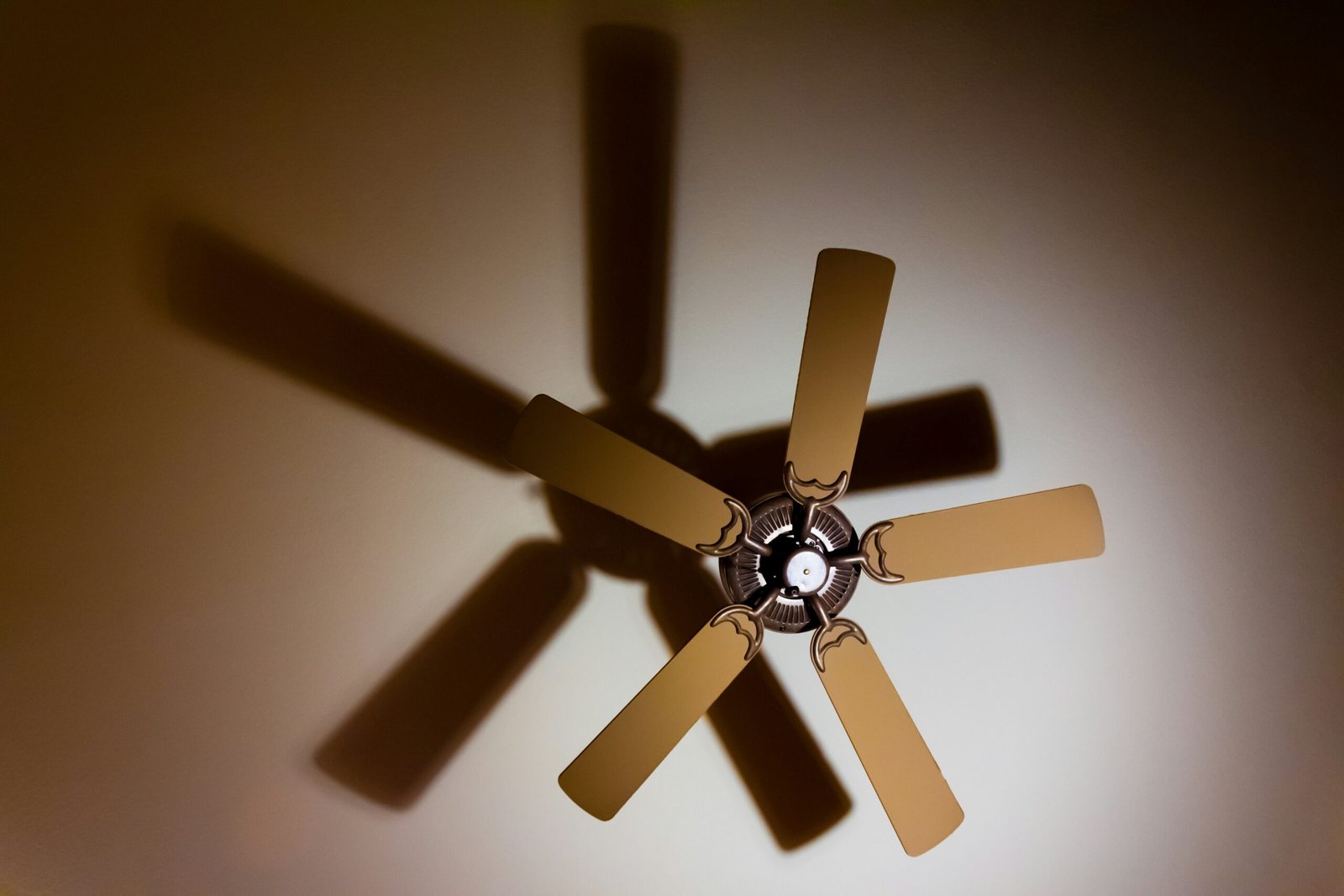
H. Smart & Modern Trends
Residential ceiling fan longer limited to “three speeds and a wall regulator.” Home fans have become smarter, quieter, and more stylish.
1. The rise of BLDC motors
- New fans deliver excellent airflow while consuming less power (around 28–35W), compared with the 70–80W used by older models. Lower electricity consumption, quieter operation, and better inverter backup are driving the rapid popularity of BLDC fans in India.
2. Smart control
- Speed, timers, and sleep modes can be controlled via apps, remotes, or voice assistants. There is no need to get out of bed to find the regulator.
3. Fan + light combo
- Cooling and lighting are combined in a single fixture. It offers a clean, uncluttered look, eliminating the need for a separate lamp in smaller bedrooms.
4. Better design
- Slim motors, matte finishes, wood-look blades, and hidden LED rings have become common. The fan is no longer just a utility appliance; it is now a piece of room décor.
5. Energy-first shopping
- People are looking beyond the price tag. Factors like BEE star ratings, service value, warranty, and noise levels are being considered. Spending a little extra now pays off later through savings on electricity bills.
I. Common Problems Aur Easy Fixes
Most ceiling fan problems are minor. Try simple checks before considering professional help.
Fan is wobbling
- Most common reasons: loose screws or uneven dust buildup. Turn off the power, tighten the blade screws, and clean the blades. If it still wobbles, use a balancing kit to adjust it. If the ceiling box itself is weak, balancing alone won’t provide a permanent fix.
Clicking or rattling noise
- Loose blade, loose canopy, or a loose wire inside. Check the hardware. Do not touch the fan without turning off the power first.
Humming or buzzing sound
- Could be due to a regulator mismatch or a motor issue. If there is a continuous hum in the bedroom, have an electrician check it.
Remote not working
- First, replace the batteries. Then, check the pairing. Sometimes, turning off the wall switch causes the receiver to reset.
Weak airflow
- Wrong size, dirty blades, or incorrect direction. First, check the summer/winter mode setting and clean the blades.
Light flickering
- Could be a loose connection or an LED issue. Do not attempt to fix electrical problems yourself.
Turn it off immediately if:
- There is a burning smell
- You see sparks
- The blade is hitting the ceiling or wall
- The wobbling suddenly becomes severe
Frequently Asked Questions
Do ceiling fans reduce electricity bills?
- Yes, especially if you replace an old high-wattage fan with a BLDC or high-star-rated fan. A fan doesn’t freeze the room like an AC, but it enhances comfort. Using it alongside an AC can also reduce the load.
Are more blades better?
- Not always. Blade design, the motor, and airflow matter more. A quality 3-blade fan can perform better than a cheap 5-blade one.
Can a fan be installed on a low ceiling?
- Yes, opt for a flush-mount or “hugger” model. For safety, the blades should be at a sufficient height from the floor.
Should the fan be run alongside the AC?
- Yes, when people are in the room. This combination can be both comfortable and efficient. Turn both off when the room is empty.
Is a BLDC fan worth it?
- If the fan runs for several hours daily, the extra cost can generally be recovered through bill savings within 1–2 years. It may not be necessary for a guest room that is rarely used.
How long does it last?
- It depends on quality, installation, and maintenance. A good residential fan can easily last for many years.
Should the fan be kept off in winter?
- Not necessarily. Using the reverse mode at low speed circulates warm air downwards, especially in rooms with high ceilings.
Should the fan run if the room is empty?
- No. Fans are cool people, not empty rooms.
Which size should I choose?
- Small room: 900 mm. Standard bedroom: 1200 mm. Large living area: 1400–1500 mm, or two fans.
Should I get one with a remote?
- Yes, it is convenient for bedrooms and rooms with high ceilings. If you are on a tight budget, a simple regulator works fine.
Conclusion
A residential ceiling fan is a small upgrade, but it makes a significant difference. The right fan makes the room comfortable, improves air circulation, can reduce electrical load, and enhances the room’s aesthetics.
The key points to remember are simple:
- Fans don’t lower the actual temperature; they create a cooling sensation through air movement.
- Consider the room size and ceiling height first.
- For rooms used daily, a BLDC fan with a good star rating is the better choice.
- Prioritize safety during installation.
- Regular cleaning ensures the fan runs quietly and lasts longer.
The next step is easy: measure your room, check the ceiling, and start shopping using the checklist above. A good residential ceiling fan isn’t just a solution for the heat—it’s a smart home comfort feature for the entire year.